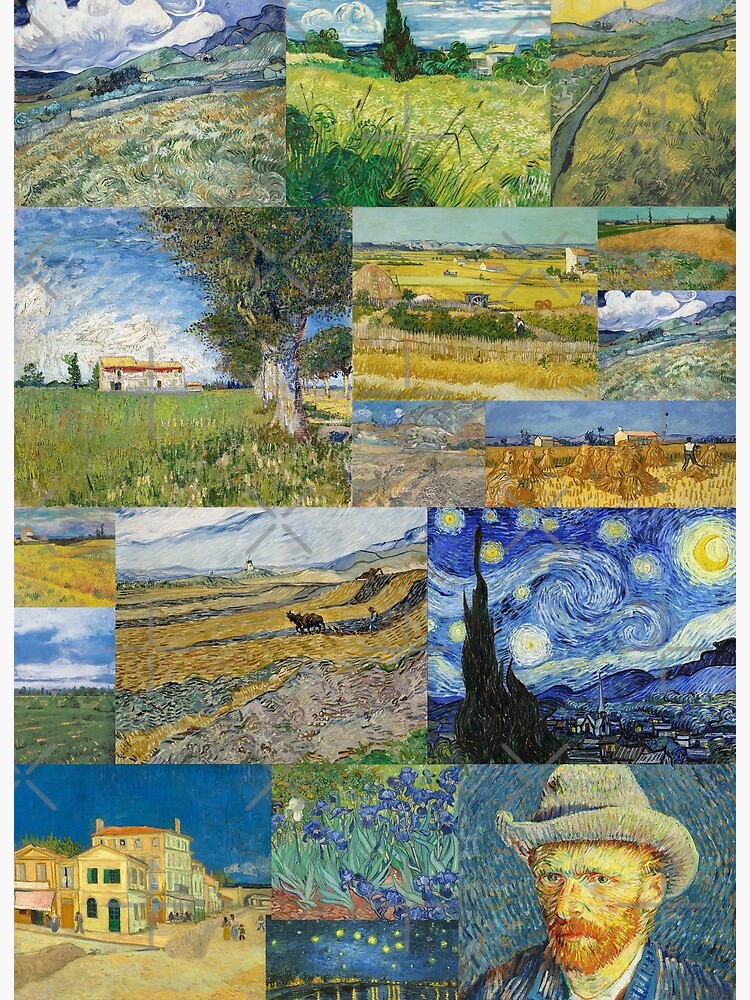
Vincent van Gogh is widely considered one of the most influential artists in the history of Western art. Although his career as a painter lasted only about ten years, he created an astonishing number of artworks during that short time.
Today, Van Gogh is known for masterpieces such as The Starry Night, Sunflowers, Irises, and Café Terrace at Night. His expressive brushwork, bold colors, and emotional depth helped shape the development of modern art.
But exactly how many paintings did Vincent van Gogh create? The answer reveals just how productive and dedicated the artist was.
How Many Paintings Did Van Gogh Create?
During his lifetime, Vincent van Gogh created approximately:
- 900 paintings
- 1,100 drawings and sketches
This means Van Gogh produced more than 2,000 artworks in total.
Considering that his artistic career lasted only about a decade, this level of productivity is extraordinary. At times, Van Gogh was known to complete one painting per day.
When Did Van Gogh Start Painting?
Van Gogh began seriously pursuing art around 1880, when he was about 27 years old.
Before becoming an artist, he worked in several different fields, including:
- Art dealer
- Teacher
- Missionary
Once he committed himself to painting, however, he devoted nearly all his time to developing his artistic skills and producing new works.
The Most Productive Period of His Career
Van Gogh’s most productive years were between 1888 and 1890, when he lived in Arles, Saint-Rémy, and Auvers-sur-Oise in France.
During this short period, he painted many of his most famous works, including:
- Sunflowers
- Café Terrace at Night
- The Bedroom
- Irises
- The Starry Night
- Wheatfield with Crows
In some months, Van Gogh created dozens of paintings, working intensely and often painting outdoors.
Why Van Gogh Painted So Much
Several factors contributed to Van Gogh’s extraordinary productivity.
Passion for Art
Van Gogh believed that painting was his true purpose in life. He often worked for long hours, determined to improve his technique and express his ideas through art.
Support from His Brother Theo
Van Gogh’s brother Theo van Gogh provided financial and emotional support throughout his career. Theo encouraged Vincent to continue painting even when he struggled to sell his work.
Experimentation with Style
Van Gogh constantly experimented with color, brushwork, and composition. Producing many paintings allowed him to explore new ideas and refine his style.
Did Van Gogh Sell Many Paintings?
Despite creating hundreds of artworks, Van Gogh sold very few paintings during his lifetime.
Most historians believe he sold only one painting, The Red Vineyard, while he was alive.
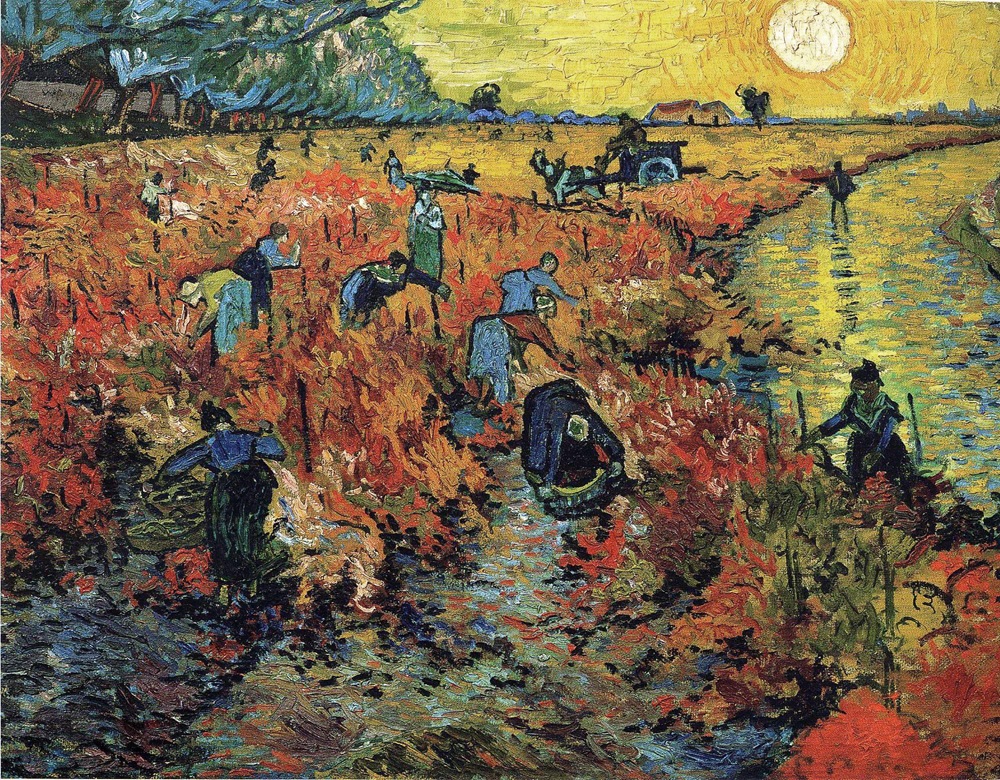
The Red Vineyards
After his death in 1890, however, his work gradually gained recognition. Today, Van Gogh’s paintings are among the most valuable and admired artworks in the world.
Where Are Van Gogh’s Paintings Today?
Van Gogh’s paintings are now displayed in major museums around the world.
Some of the most important collections can be found in:
- Van Gogh Museum – Amsterdam
- Museum of Modern Art (MoMA) – New York
- Musée d’Orsay – Paris
- National Gallery – London
These museums preserve Van Gogh’s work and allow millions of visitors to experience his art each year.
Why Van Gogh’s Work Remains Important
Although Van Gogh struggled during his lifetime, his art later became enormously influential.
His bold use of color, expressive brushstrokes, and emotional intensity helped inspire later movements such as Expressionism and modern art.
Today, Van Gogh is widely recognized as one of the greatest painters in history.
Conclusion
Vincent van Gogh created approximately 900 paintings and more than 2,000 artworks during his lifetime. Despite working as an artist for only about ten years, his extraordinary productivity produced some of the most famous paintings ever created.
Today, works like The Starry Night, Sunflowers, and Irises continue to inspire millions of people around the world, proving that Van Gogh’s artistic legacy is as powerful as ever.