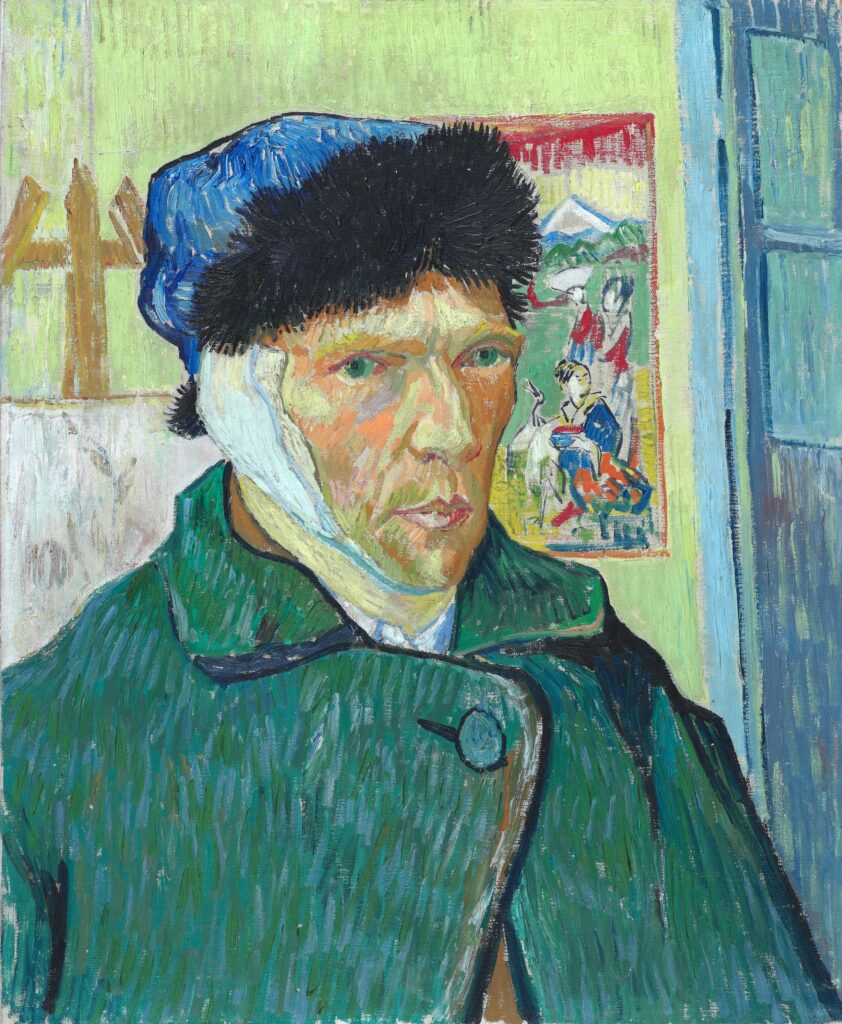
One of the most widely known stories about Vincent van Gogh is the incident in which he cut off part of his ear. The event has become one of the most discussed and mysterious moments in the history of art.
The incident occurred in December 1888, while Van Gogh was living in the town of Arles in southern France. Although historians have studied the event for many years, there are still different theories about exactly what happened.
Understanding the context of Van Gogh’s life at the time helps explain why this dramatic event occurred.
The Events Leading Up to the Incident
In 1888, Van Gogh moved to Arles, hoping to create an artistic community where painters could live and work together.
He rented a small house known as the Yellow House and invited fellow artist Paul Gauguin to join him. Van Gogh believed that working with other artists would inspire creativity and collaboration.
When Gauguin finally arrived in October 1888, the two painters began working together. However, their personalities were very different.
- Van Gogh was emotional and impulsive
- Gauguin was more reserved and analytical
Their disagreements about art and personal matters gradually became more intense.
The Night of the Incident
On December 23, 1888, a serious argument occurred between Van Gogh and Gauguin. After the confrontation, Gauguin decided to leave the Yellow House.
Later that evening, Van Gogh experienced a severe emotional breakdown. During this episode, he cut off part of his left ear with a razor.
Afterward, Van Gogh wrapped the ear in cloth and reportedly delivered it to a woman at a nearby establishment. Shortly after the incident, he was found injured and taken to a hospital in Arles.
The event shocked the local community and quickly became one of the most famous stories associated with the artist.
Possible Reasons Behind the Incident
Historians and psychologists have suggested several explanations for Van Gogh’s actions.
Mental Health Struggles
Van Gogh suffered from serious mental health issues throughout his life. Many experts believe the incident occurred during a period of severe psychological distress.
Conflict with Gauguin
The intense argument with Gauguin may have triggered the crisis. Van Gogh had hoped their collaboration would succeed, and Gauguin’s departure was deeply upsetting.
Physical Exhaustion and Stress
During this period, Van Gogh was working intensely and often neglected his health. Poor nutrition, lack of sleep, and stress may have contributed to his unstable condition.
What Happened After the Incident
After the event, Van Gogh spent time recovering in the hospital in Arles.
Although the incident was traumatic, he eventually returned to painting. In fact, some of his most famous works were created after this period.
One of the most striking paintings from this time is Self-Portrait with Bandaged Ear, where Van Gogh depicted himself wearing a bandage over his injured ear.
The following year, he voluntarily entered the Saint-Paul-de-Mausole asylum in Saint-Rémy-de-Provence, where he painted masterpieces such as The Starry Night.
Why the Story Became So Famous
The story of Van Gogh cutting off his ear became widely known because it reflects the dramatic and emotional nature of his life.
Van Gogh struggled with poverty, loneliness, and mental illness, yet he continued to create extraordinary works of art.
Today, the incident is often discussed as part of the larger story of his life and artistic legacy.
Conclusion
The incident in which Vincent van Gogh cut off part of his ear remains one of the most famous episodes in the history of art. While the exact reasons behind his actions are still debated, the event reflects the difficult struggles he faced during his lifetime.
Despite these challenges, Van Gogh continued to paint with incredible passion and creativity. His work—including masterpieces like The Starry Night, Sunflowers, and Irises—has made him one of the most influential artists in history.