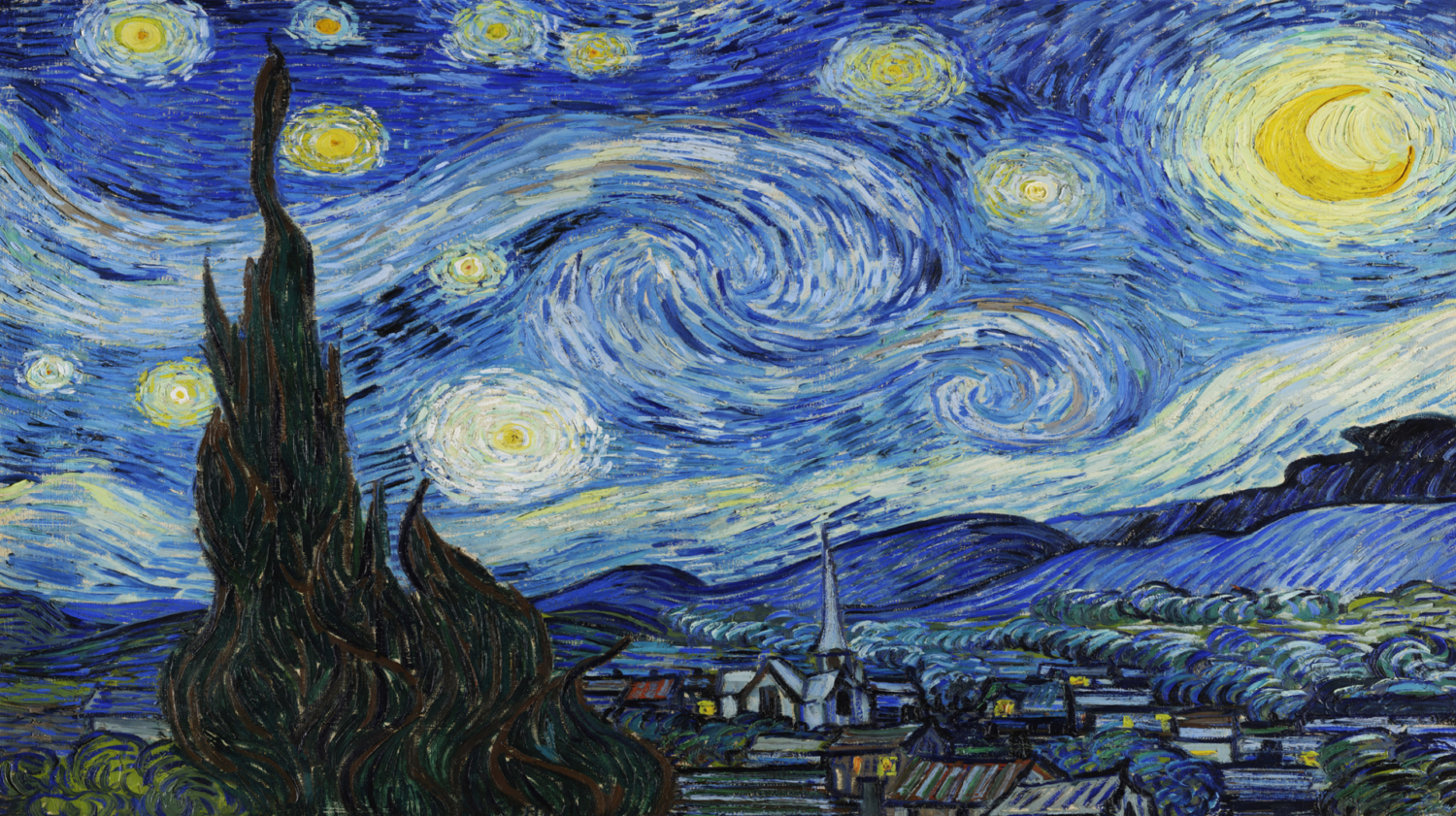
The Starry Night by Vincent van Gogh is one of the most famous paintings in the world. Created in 1889, this iconic artwork is known for its swirling sky, bright stars, and emotional depth. In this guide, we explore the meaning, symbolism, history, and artistic techniques behind The Starry Night. Today, it is considered one of the most important works of the Post-Impressionist movement.
The painting captures a dreamlike night scene above a quiet village, where bright stars and a luminous moon dominate the sky. Through bold brushstrokes and dramatic movement, Van Gogh transformed an ordinary night view into one of the most powerful images in Western art.
In this article, we explore the history, meaning, symbolism, and artistic techniques behind The Starry Night.
The Starry Night – Quick Facts
| Artist | Vincent Van Gogh |
| Year | 1889 |
| Medium | Oil on canvas |
| Location | Museum of Modern Art (MoMA), New York |
| Style | Post-Impressionism |
When And Where Did Van Gogh Paint The Starry Night?
Vincent van Gogh painted The Starry Night in June 1889 while staying at the Saint-Paul-de-Mausole asylum in Saint-Rémy-de-Provence, France.
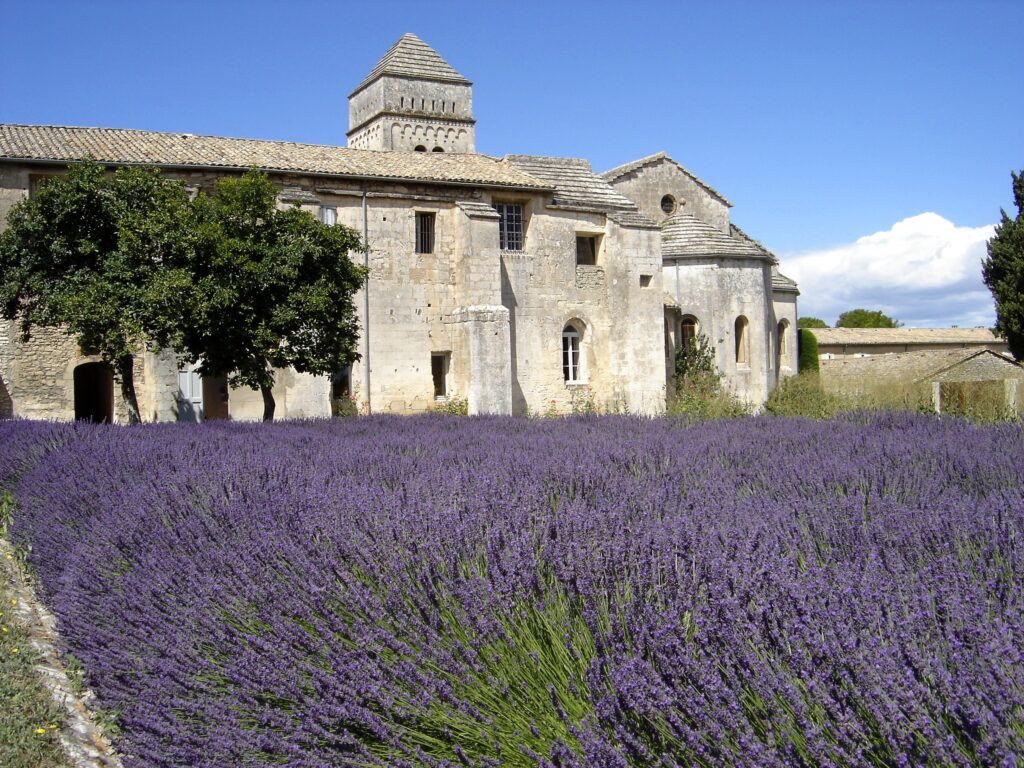
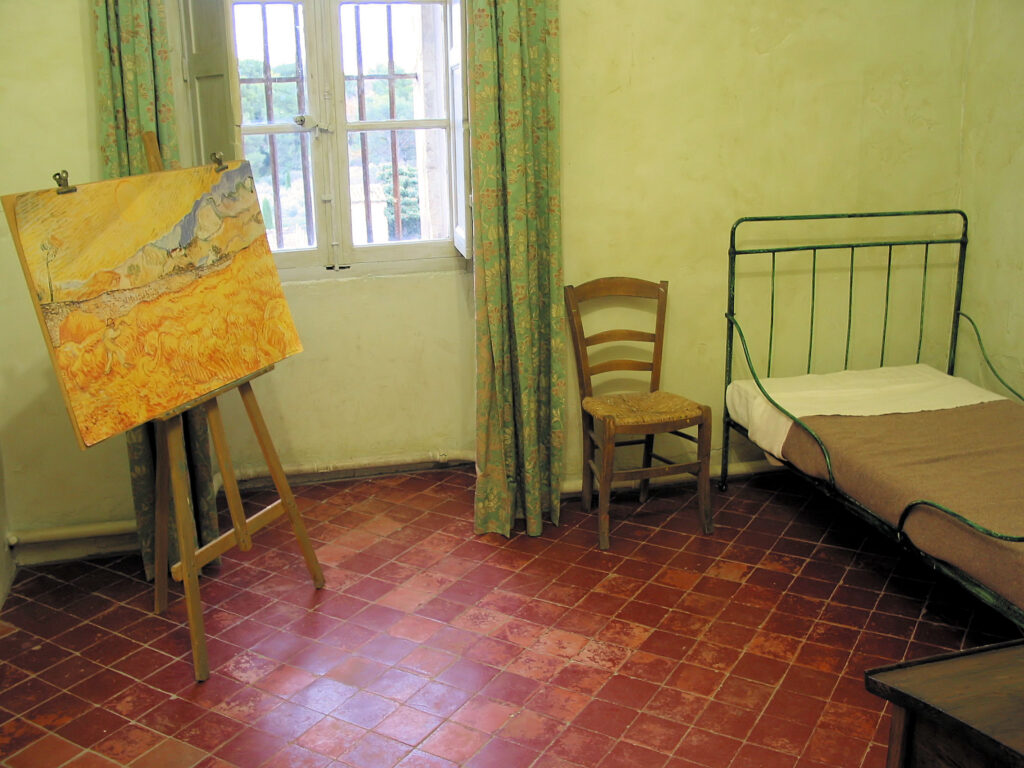
Van Gogh had voluntarily admitted himself to the asylum after experiencing severe mental health struggles. During his stay, he continued to paint intensely and produced some of the most famous works of his career.
The view in The Starry Night was inspired by the landscape outside his asylum window, although Van Gogh added imaginative elements such as the dramatic swirling sky and the village below.
Why Did Van Gogh Paint The Starry Night?
Vincent van Gogh painted The Starry Night in June 1889 while staying at the Saint-Paul-de-Mausole asylum in Saint-Rémy-de-Provence, France. During this time, he often looked out from his window at the surrounding landscape, which inspired the painting.
However, The Starry Night is not a direct copy of what he saw. Instead, Van Gogh combined observation with imagination, creating a dramatic sky filled with swirling patterns and glowing stars.
Many art historians believe he painted The Starry Night to express his emotions, thoughts, and inner struggles, rather than simply capturing a realistic scene. The painting reflects both his fascination with the night sky and his desire to convey something deeper and more personal.
You can learn more about this period in his life in our article on Van Gogh’s Life in Arles.
What Is Depicted in The Starry Night?
The painting shows a peaceful village under a dramatic night sky filled with swirling clouds and glowing stars.
Key elements of the painting include:
- A large cypress tree rising in the foreground
- A quiet village with a church steeple
- Rolling hills in the background
- A vibrant sky with bright stars and a crescent moon
- Dramatic swirling patterns across the sky
The contrast between the calm village and the energetic sky creates a powerful emotional effect.
Meaning of The Starry Night
Vincent van Gogh’s The Starry Night is often interpreted as a reflection of his emotions and inner experiences. Rather than painting a realistic night sky, Van Gogh used swirling forms and bright stars to express how he felt.
The contrast between the turbulent sky and the calm village below suggests a balance between chaos and peace. Many art historians believe the glowing stars represent hope and light during difficult times.
The painting may also symbolize a connection between the earth and the universe, with the cypress tree acting as a visual bridge between the two.
Learn more about the Meaning of The Starry Night
What Makes The Starry Night Unique?
The Starry Night stands out because of its distinctive style and emotional intensity. Unlike traditional landscape paintings, Vincent van Gogh used bold colors and dramatic movement to create a scene that feels alive.
One of its most striking features is the swirling night sky, where stars and clouds appear to move in rhythmic patterns. This sense of motion gives the painting an almost dreamlike quality.
Van Gogh also used thick brushstrokes (impasto), adding texture and depth to the canvas. The contrast between the vibrant sky and the quiet village below creates a powerful visual balance.
Rather than aiming for realism, Van Gogh focused on expression and emotion, making the painting feel deeply personal. This combination of technique, color, and feeling is what makes The Starry Night one of the most unique and recognizable artworks in history.
Symbolism in The Starry Night
Several elements of the painting are thought to carry symbolic meaning.
The Stars
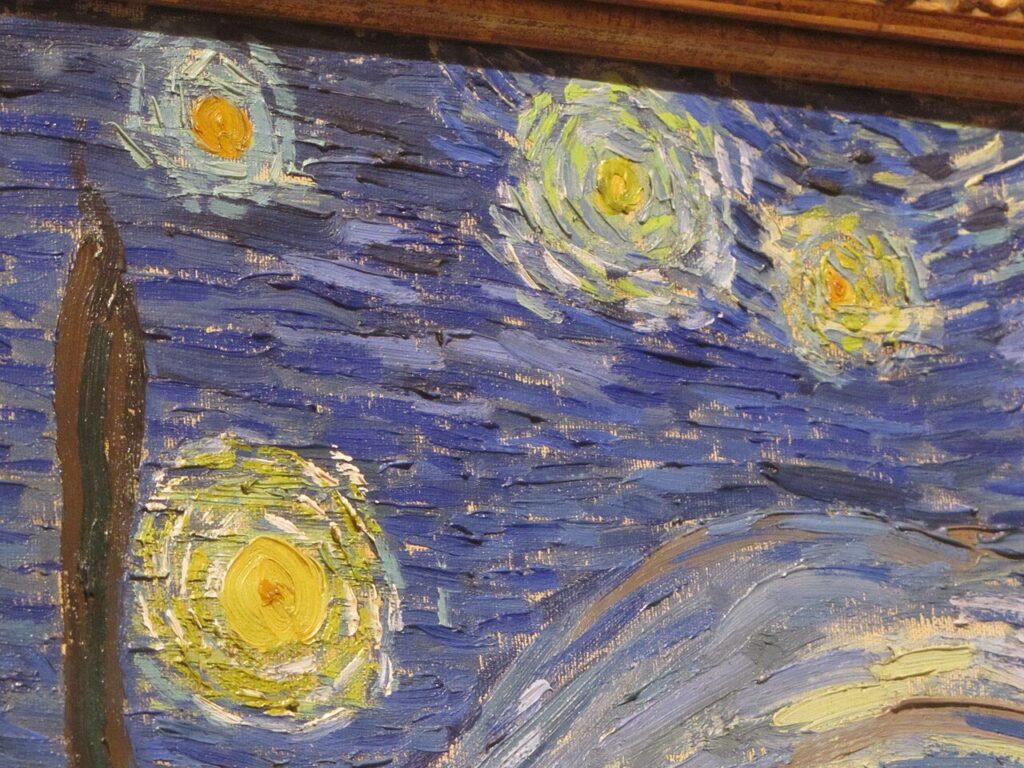
The bright stars may represent hope and eternity. Van Gogh once wrote in a letter that looking at the stars made him dream.
The Cypress Tree
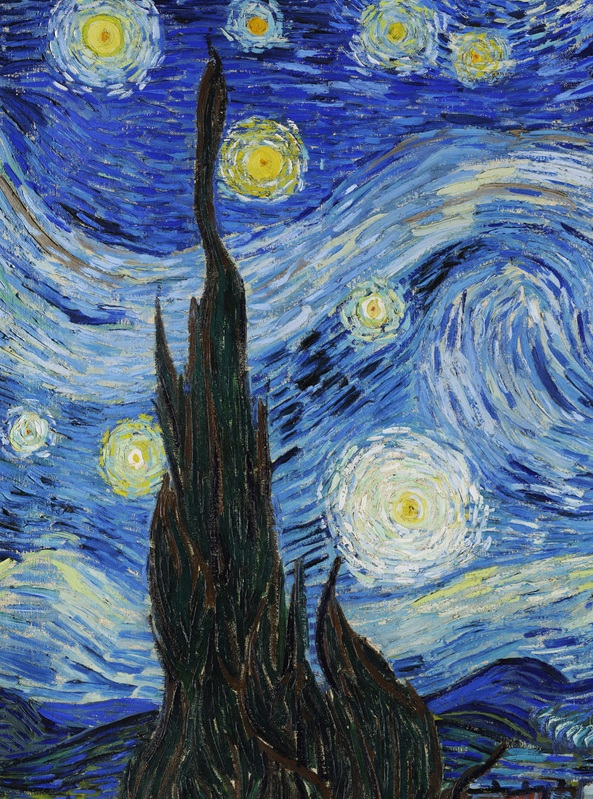
The tall dark cypress tree connects the earth and the sky. In Mediterranean culture, cypress trees are often associated with death and eternity.
The Village
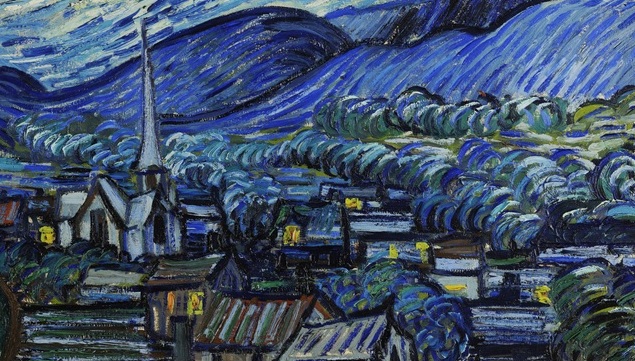
The quiet village may symbolize peace and stability, something Van Gogh struggled to find in his life.
Learn more about the Symbolism in The Starry Night
Artistic Techniques Used by Van Gogh
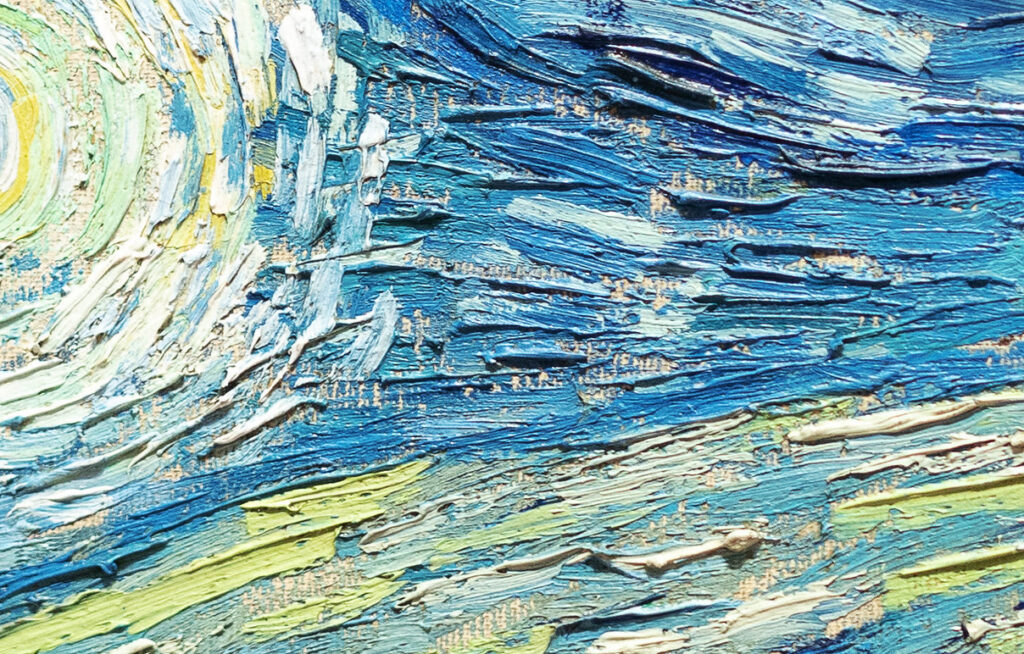
The Starry Night is famous for its bold brushstrokes and expressive style.
Van Gogh used thick layers of paint and energetic strokes to create movement across the sky. This technique, known as impasto, gives the painting texture and depth.
The swirling patterns create a sense of motion, making the sky appear alive.
Van Gogh also used strong color contrasts between:
- Deep blues of the night sky
- Bright yellows of the stars
- Dark greens of the cypress tree
These contrasts make the painting visually striking.
Learn more about Van Gogh’s Painting Style.
Influence of The Starry Night on Modern Art
The Starry Night has had a lasting influence on the development of modern art. Vincent van Gogh’s bold use of color, expressive brushwork, and emotional intensity inspired later movements such as Expressionism and Abstract art.
Artists began to move away from realistic representation and instead focused on expressing feelings, mood, and personal vision—an approach that Van Gogh helped pioneer.
The painting’s swirling forms and dramatic sky have influenced not only painters but also designers, filmmakers, and popular culture. Today, The Starry Night is widely recognized as a symbol of artistic creativity and emotional expression.
More than a century after it was created, the painting continues to inspire artists and audiences around the world, making it one of the most important works in the history of art.
Where Is The Starry Night Today?
Today, The Starry Night is housed at the Museum of Modern Art (MoMA) in New York City.
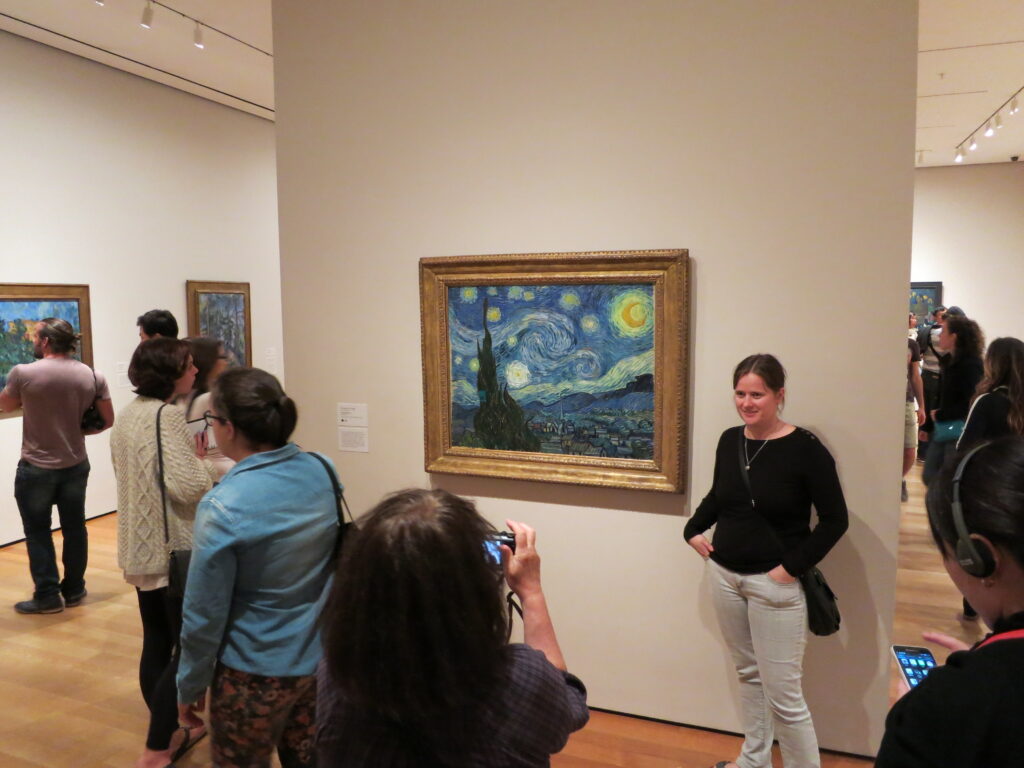
It is one of the museum’s most famous artworks and attracts millions of visitors every year.
Although Van Gogh is now one of the most celebrated artists in history, he sold very few paintings during his lifetime. The Starry Night became famous only years after his death.
Why The Starry Night Is So Famous
The Starry Night has become one of the most beloved paintings in the world for several reasons:
- Its distinctive swirling sky
- Its emotional intensity
- Its unique artistic style
- Its connection to Van Gogh’s dramatic life story
The painting continues to inspire artists, filmmakers, writers, and millions of viewers around the world.
Learn about some Hidden Details About The Starry Night
Conclusion
The Starry Night is more than just a beautiful painting—it is a powerful expression of emotion, imagination, and artistic innovation.
Through bold color, expressive brushwork, and symbolic imagery, Vincent van Gogh created a work that continues to captivate audiences more than a century later.
Today, The Starry Night stands as one of the greatest masterpieces in the history of art.
Frequently Asked Questions
A. The Starry Night has been part of the permanent collection at the Museum of Modern Art (MoMA) in New York City since 1941. It is housed in the museum’s fifth-floor galleries and is one of the most visited works in the collection.
A: Vincent van Gogh painted The Starry Night in June 1889, while he was voluntarily staying at the Saint-Paul-de-Mausole asylum in Saint-Rémy-de-Provence, France. He completed it in a matter of days.
A: The Starry Night measures 73.7 cm × 92.1 cm (29 in × 36¼ in). It is a relatively modest-sized oil painting on canvas, which makes its visual impact even more remarkable.
A: Van Gogh used oil paint applied directly from the tube, building up thick, textured layers in a technique known as impasto. This gives the painting its distinctive three-dimensional, swirling surface.
A: A bit of both. Van Gogh painted the night sky largely from memory and imagination (he was confined to the asylum at night) but also drew on the view from his room window at dawn, combining real and imagined elements.