Vincent van Gogh is one of the most recognizable painters in the history of art. His paintings are immediately identifiable because of their bold colors, expressive brushstrokes, and emotional intensity.
Although Van Gogh created art for only about ten years, he developed a distinctive painting style that would influence generations of artists and play an important role in the development of modern art.
This article explores Van Gogh’s painting style, techniques, and the artistic ideas that shaped his work.
Bold and Expressive Brushstrokes
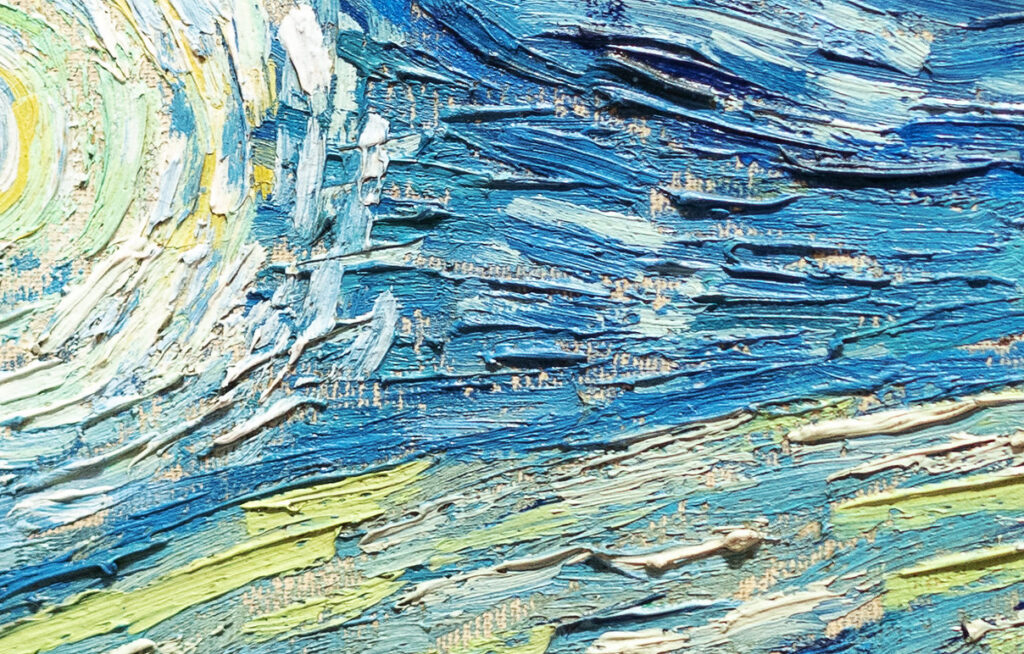
One of the most defining characteristics of Van Gogh’s painting style is his visible and energetic brushwork.
Unlike many artists who blended paint smoothly, Van Gogh allowed his brushstrokes to remain clearly visible on the canvas. These strokes often follow curved, swirling, or directional patterns that create a strong sense of movement.
For example, in paintings like The Starry Night, the sky appears alive with swirling motion because of the dynamic brushstrokes.
This technique makes the viewer feel the energy and emotion behind the painting.
Thick Paint and Impasto Technique
Van Gogh frequently used a technique called impasto, where paint is applied thickly so that it stands out from the surface of the canvas.
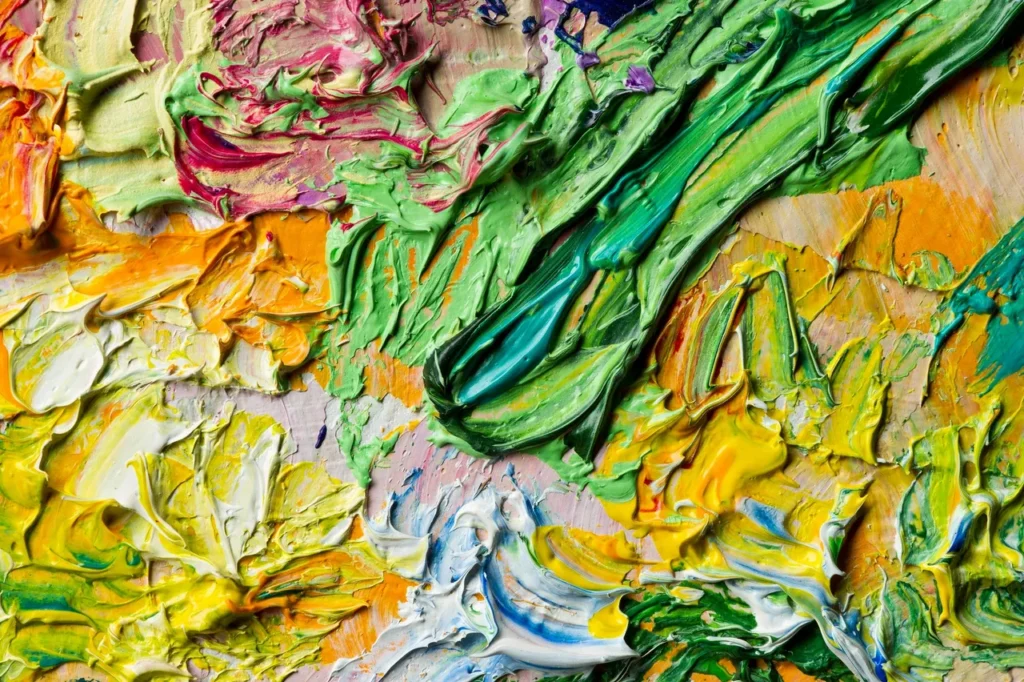
The thick layers of paint create texture, allowing light to reflect differently across the surface of the painting. This gives his works a rich, tactile quality.
In some areas of his paintings, the paint is so thick that individual brush marks can be clearly seen. This technique adds depth and intensity to the artwork.
Vibrant and Contrasting Colors
Van Gogh is also known for his bold use of color.
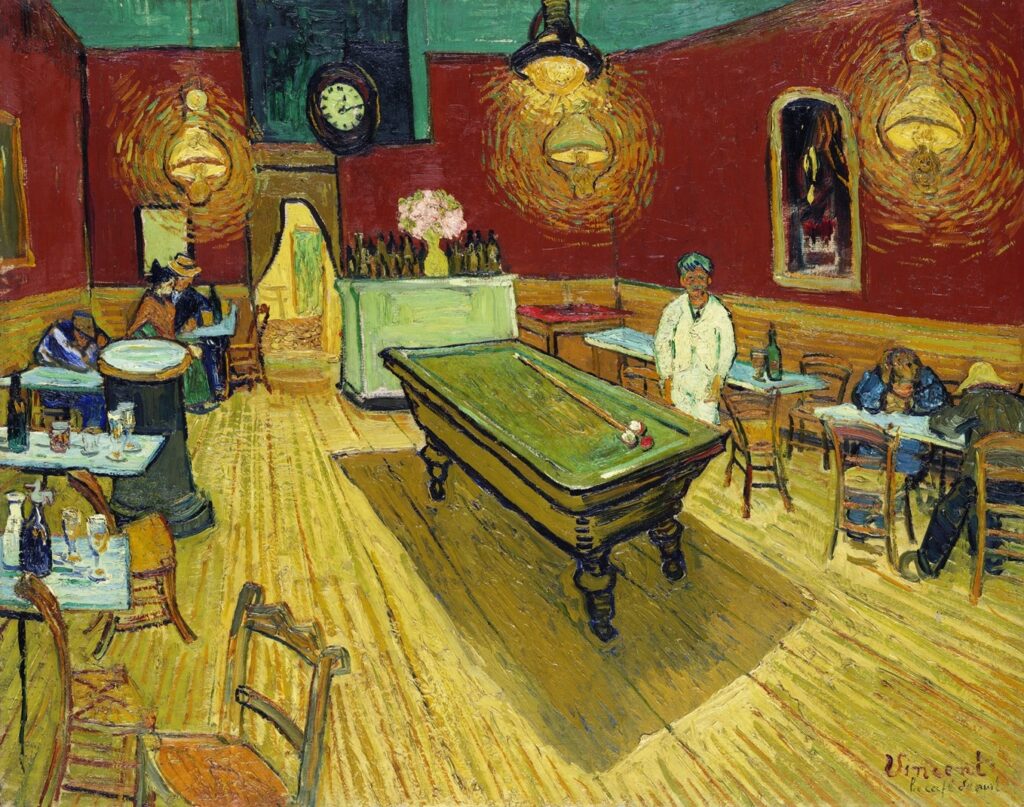
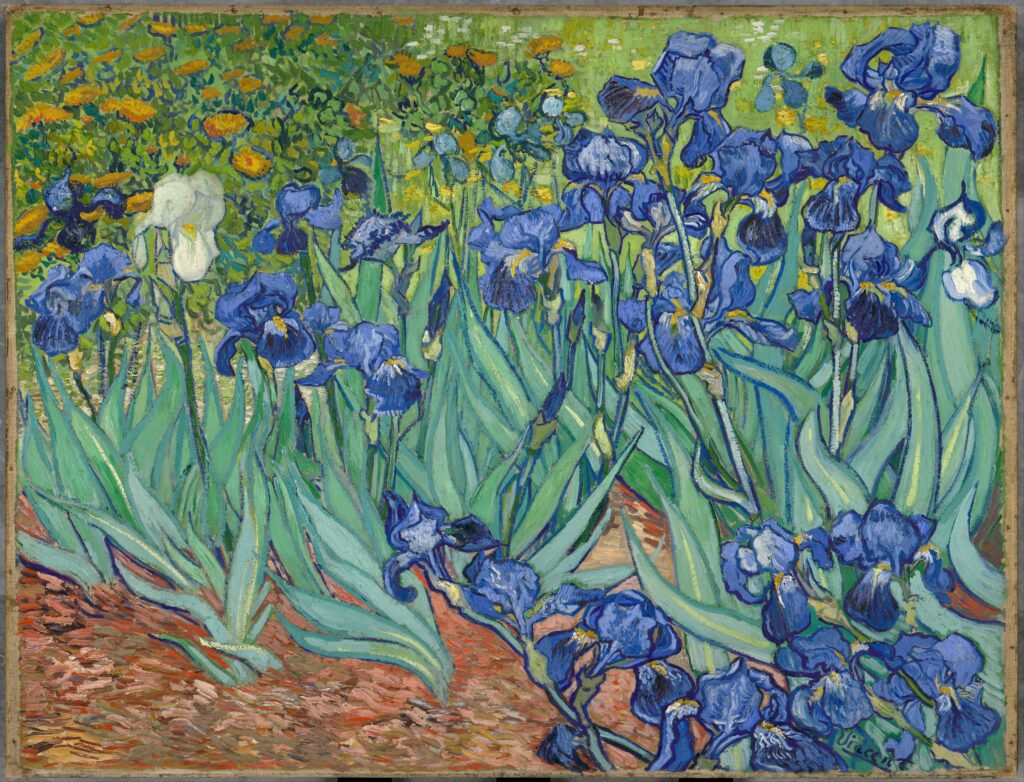
Instead of trying to reproduce natural colors exactly as they appear in reality, he often used exaggerated or symbolic colors to express emotion.
For example:
- Bright yellows and oranges to represent warmth and light
- Deep blues to convey night, depth, or emotion
- Strong contrasts between complementary colors
Paintings like Sunflowers and Café Terrace at Night demonstrate how Van Gogh used color to create powerful visual impact.
Emotional Expression Through Art
For Van Gogh, painting was not simply about representing the world—it was about expressing feelings and inner experiences.
Many of his paintings reflect his emotional state. The dramatic movement in the sky of The Starry Night, for instance, is often interpreted as an expression of the artist’s inner struggles and imagination.
Van Gogh once wrote in a letter that he wanted his paintings to express “the emotions of human life.”
This emotional approach would later influence artistic movements such as Expressionism.
Influence of Impressionism and Post-Impressionism
Van Gogh’s style evolved over time, especially after he moved to Paris in 1886.
There he encountered artists associated with Impressionism, who were experimenting with light, color, and outdoor painting. These influences encouraged him to adopt brighter colors and looser brushwork.
However, Van Gogh went beyond Impressionism by emphasizing emotional expression and symbolic color. Because of this, he is often considered one of the leading artists of the Post-Impressionist movement.
Post-Impressionist artists sought to move beyond realistic representation and explore deeper artistic expression.
Use of Lines and Movement
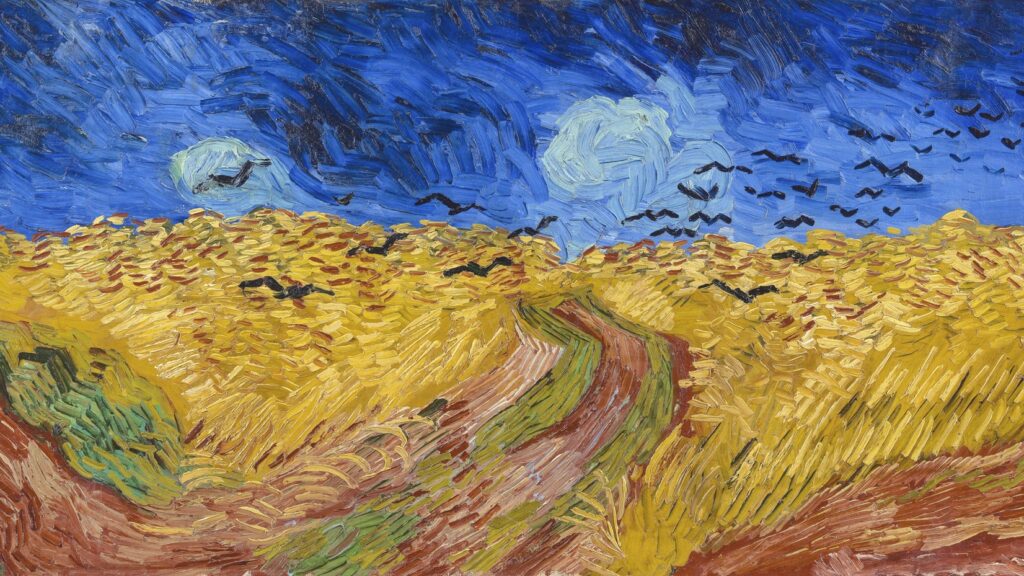
Another unique aspect of Van Gogh’s style is his use of directional lines to guide the viewer’s eye through the painting.
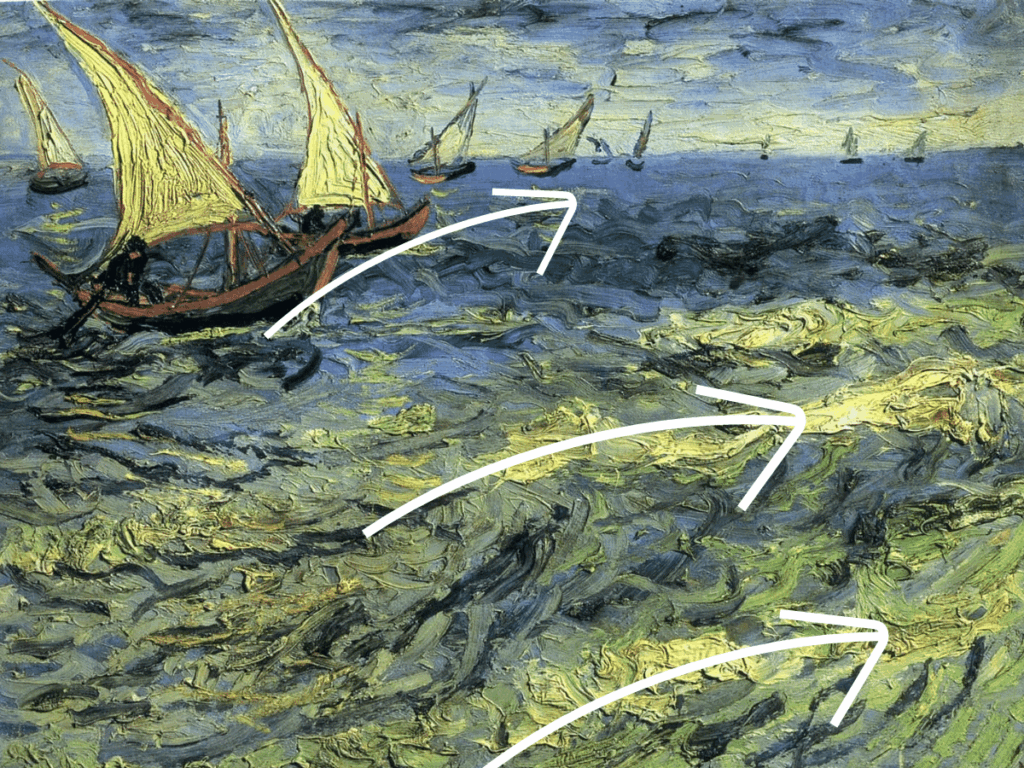
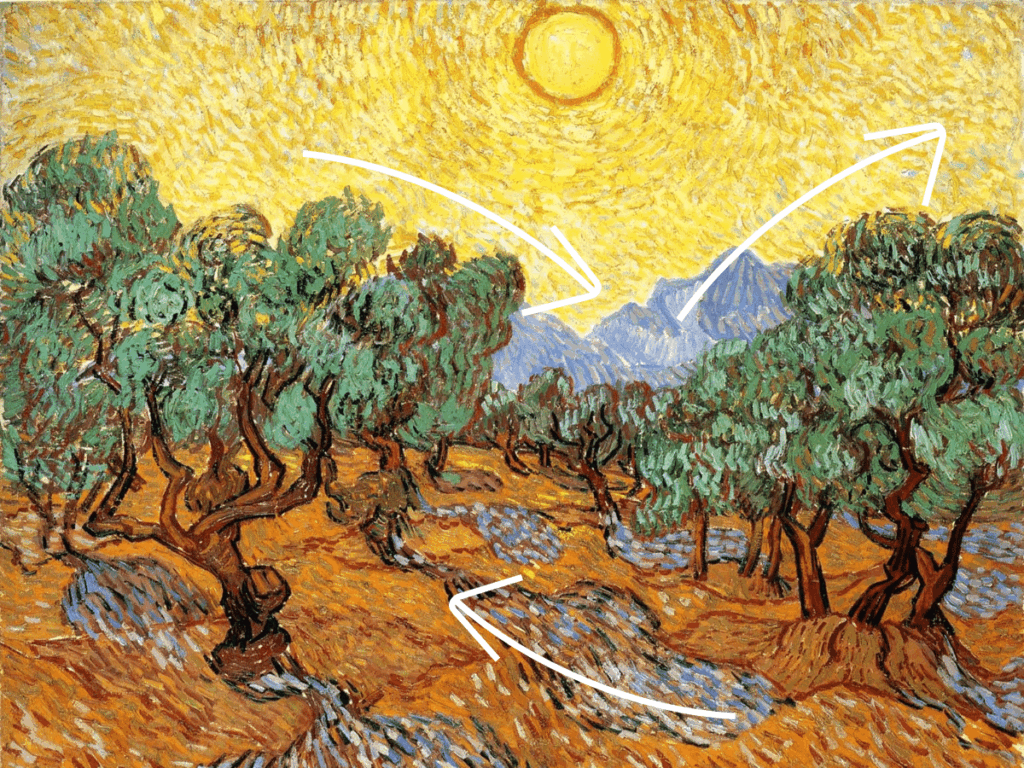
Instead of static compositions, many of his works feel dynamic and full of motion. The curved lines in skies, fields, and landscapes create a rhythm that moves across the canvas.
This sense of movement is especially visible in paintings like Wheatfield with Crows and The Starry Night.
Inspiration from Nature
Nature played an essential role in Van Gogh’s work. He frequently painted landscapes, fields, trees, flowers, and night skies.
However, Van Gogh did not simply copy what he saw. He interpreted nature in a highly personal way, using color and brushwork to convey mood and atmosphere.
His paintings often capture the energy and vitality of the natural world.
Influence on Modern Art
Although Van Gogh struggled for recognition during his lifetime, his artistic style had a profound impact on later artists.
His bold brushwork and emotional approach to painting influenced movements such as:
- Expressionism
- Fauvism
- Modern art
Artists across the twentieth century admired his courage to paint with such intensity and individuality.
Today, Van Gogh’s style is considered one of the most important developments in the history of modern painting.
Conclusion
Van Gogh’s painting style is defined by bold colors, energetic brushstrokes, thick textures, and emotional expression. Through these techniques, he transformed ordinary subjects—such as landscapes, flowers, and night skies—into powerful works of art.
Although he received little recognition during his lifetime, his unique style later became one of the most influential forces in modern art.
Today, Vincent van Gogh’s paintings continue to inspire artists and viewers around the world, proving that his artistic vision was truly ahead of its time.
Frequently Asked Questions
A: Van Gogh is classified as a Post-Impressionist painter. He began under the influence of Impressionism after moving to Paris in 1886, but went beyond it by using color and brushwork to express deep emotion rather than simply capturing light and atmosphere. His work was a key influence on later movements including Expressionism and Fauvism.
A: Impasto is a technique where paint is applied in thick, raised layers that stand out from the canvas surface rather than being blended smooth. Van Gogh used it extensively — in some areas of his paintings the individual brush marks are clearly visible, creating a rich, textured surface that reflects light differently across the work and adds to the sense of movement and energy.
A: Unlike many painters who blended their brushwork to create smooth surfaces, Van Gogh deliberately left his strokes visible. The curved, swirling, and directional marks were central to his style — they create a feeling of motion and emotional intensity that makes paintings like The Starry Night appear almost alive on the canvas.
A: Van Gogh used color expressively rather than realistically. He exaggerated and intensified hues to convey emotion — bright yellows and oranges for warmth and energy, deep blues for depth and feeling. He also placed complementary colors side by side to create strong visual contrast, as seen in Café Terrace at Night and Sunflowers.
A: Van Gogh’s entire painting career spanned only about ten years, from roughly 1880 until his death in 1890. Despite this short period, he produced approximately 900 oil paintings and over 1,100 drawings and sketches — an extraordinary output that makes his impact on art history even more remarkable.